Hospitals don’t get the luxury of “good enough” air. Infection control, medication compounding, neonatal care, surgical recovery, sterile processing, and even the cafeteria rely on pressure regimes and filtration that only work when the ductwork feeding them is clean and predictable. The ventilation system is not just a comfort amenity, it is an infection prevention device that quietly runs 24 hours a day. When it underperforms, the warning usually shows up as something else: a spike in surgical site infections, longer recovery times for respiratory patients, staff allergies that nobody can trace, rooms that can’t hold pressure, or chilled water bills that make the CFO wince.
That is why hospitals depend on regular commercial duct cleaning. It is not a glamour project, and there is no ribbon cutting at the end, but the risk reduction is real, the energy savings are measurable, and the regulatory ducks fall into neat rows when the work is done and documented well.
What actually lives in hospital ductwork
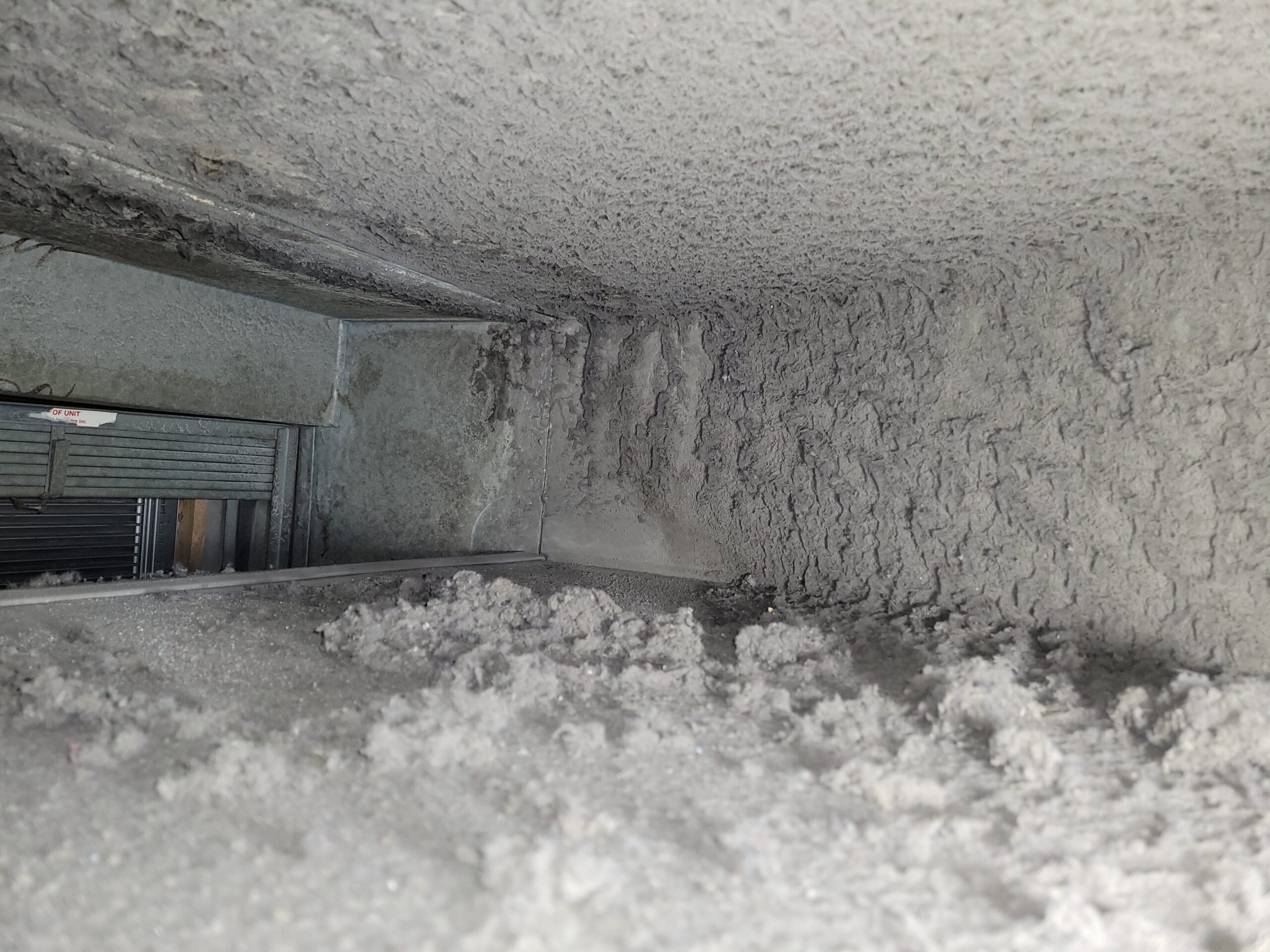
People imagine neat rectangular ducts carrying alpine air. On site, you find turning vanes speckled with dust, reheat coils wearing a felt sweater of lint, access panels with bowed gaskets, and ceiling return plenums that double as storage for old ceiling tiles until Facilities has a free afternoon. Even with MERV 13 to 16 filters upstream and terminal HEPA sections where required, particles still deposit inside ducts and on coil fins. The culprits are boring: skin flakes, lint from laundered textiles, construction residue, paper dust from record rooms that became office space, and occasional leaks that invite moisture and microbial growth.
Hospitals add their own signatures. In pharmacies that compound sterile preparations, trace powders can migrate toward returns if staff habits or capture velocity are off. In a pathology lab, paraffin shavings and tissue dust hitch rides. Environmental services carts that stage near returns kick up settled material. On a remodel floor, drywall sanding dust moves through any path that is not sealed like a drum. Even in pristine areas, humidity swings and stop‑start fan scheduling can cause surfaces to breathe, a small inhale‑exhale of particles.
None of this is scandalous. It is the normal entropy of a hard‑working building. But when it accumulates, it changes the system’s behavior, and hospitals pay for that in reliability and clinical risk.
Why ventilation is a clinical control, not just a comfort setting
In critical spaces, air changes per hour and directional airflow serve a purpose: dilute and remove airborne contaminants, keep pathogens moving the right way, and maintain temperature and humidity to protect both people and equipment. Surgical suites, airborne infection isolation rooms, protective environment rooms, sterile processing, and chemo infusion bays live in a network of supply, return, and exhaust ducts that must do exactly what the design says, day after day.
When duct interiors are dirty, friction losses climb and effective airflow drops. The fan uses more energy to push the same cfm, or it fails to reach the setpoint. That means the calculated air changes per hour quietly slide from, say, 20 to 16. On paper, the room still looks compliant because the setpoint is unchanged. On a balometer, the numbers tell the truth. Add deposits on reheat coils and you also get poor temperature control, so nurses reach for personal space heaters or maintenance opens dampers that were balanced for a different world. Small deviations multiply.
Those deviations are not free. Studies vary on the direct link between ventilation parameters and infection rates, but hospitals that treat ventilation as a clinical control tend to have fewer surprises. Keeping the ducts clean does not replace filtration or proper pressure control, it makes both of those work as intended.
Where it matters most
Not every duct in a hospital deserves the same attention. Triage the system.
Operating rooms and procedure suites come first. They demand high air change rates, low turbulence, and careful temperature control to protect both surgical fields and staff in full PPE. Dirty ducts feeding an OR can cause barely noticeable drops in laminar flow quality that look like nothing on a spreadsheet and feel like a sticky gown at hour six of a long case.
Pharmacies that handle sterile compounding rely on directional airflow and local capture. The cleanroom classification focuses on the work zone, but the background air needs to behave. Accumulated dust near terminal HEPA housings can leak particles during filter changes or seal work.
Sterile processing departments are steam and heat factories. Exhaust and return ducts get a steady diet of moisture and lint. When that builds up, the space overheats and the staff opens unauthorized doors to cope. Now pressure differentials collapse and the “clean” side is not so clean.

Isolation rooms and protective environment rooms both depend on precise pressure relationships. Return and exhaust ducts that are restricted by debris change those relationships. Facilities teams know the drill: the gauge says negative, a tissue test at the door flutters the wrong way, and somewhere there is a damper that was propped open to compensate for a register that never quite flowed what the drawings promised.
Laboratories, endoscopy, and imaging areas ride the same system even if they are not as tightly regulated. The risk profile differs, but they all borrow the same fans and coils.
What commercial duct cleaning actually does, without the hype
When vendors talk about commercial duct cleaning, strip away the gloss and look for these fundamentals. The work should create access, remove deposits, capture debris, protect the space, and verify results. Tools matter, but method matters more.
Negative pressure is the backbone. The crew attaches HEPA‑filtered negative air machines to sections of duct and draws air toward them so nothing escapes into the building. Mechanical agitation breaks debris free. Brushes sized to the duct, whip heads for stubborn spots, and soft, careful passes near sensitive components keep the process thorough without damage. Coils and drain pans get their own regimen, usually foaming cleaners and low‑pressure rinses, with pan treatment adjusted to the infection control team’s comfort level.
Containment is non‑negotiable in a hospital. Expect anterooms, zipper doors, tack mats, and work areas mapped and labeled. Expect different containment strategies near sterile zones compared to administrative wings. Expect crews to dress like the HVAC equivalent of the OR team, because the optics matter as much as the practice.
Documentation should go beyond a glossy before‑and‑after photo of the dirtiest elbow they could find. You want footage at representative points, manometer readings when pressure regimes are part of the spec, and a drawing that shows where access doors were added so future maintenance does not require detective work.
The energy story that actually holds up
Energy savings claims around duct cleaning range from conservative to cartoonish. Here is the sober version. When coils and interior duct surfaces carry significant deposits, the system’s total static pressure rises. Fan energy scales roughly with the cube of airflow and the square of pressure rise, which means small improvements can produce visible savings. In practice, hospitals that clean badly fouled supply trunks and coils often see 5 to 15 percent reductions in fan energy on the affected air handlers, along with faster coil heat transfer that trims reheat and chiller work by a smaller, but still measurable, amount. On a 50,000 cfm air handler with a 30 hp supply fan that runs all day, shaving even 5 percent is not pocket change over a year.
There is a ceiling to this story. If your filters are undersized or the duct design is flawed, cleaning is not magic. It restores design intent, it does not create a new design. Smart teams measure baseline total static before and after, and they verify airflows with hoods or traverse measurements so Finance sees real numbers, not an aspiration.
How often to clean without overdoing it
The honest answer is, it depends on the area, the filter strategy, and the building’s change history. Hospitals that take on phased renovations, or flip floors from inpatient to outpatient uses, kick up more dust than a steady‑state facility. Facilities near desert climates face fine dust infiltration despite strong filtration. A campus that sits close to a highway may notice darker deposits on returns. And some buildings simply have duct sections that were never sealed well, so they double as dirt collectors.
General ranges I see work in practice:
- Supply and return trunks for surgical suites and sterile processing: detailed inspection every 12 to 18 months, with cleaning as indicated. Pharmacy support HVAC near compounding areas: annual inspection, targeted cleaning of terminal housings and short runs more often than full trunks. Isolation and protective environment areas: annual inspection and verification of pressure and airflow, clean as needed rather than calendar‑bound. Administrative wings and clinics: inspect every 2 to 3 years, clean when pressure drop or visible deposits justify it.
Notice the word “inspect.” Good programs do not clean on autopilot, they verify and decide. That means cameras, dust load ratings, and static pressure logs, not a clipboard with last year’s date.
Coordination with infection prevention and clinical schedules
A duct cleaning project that ignores the hospital’s clinical rhythm creates enemies. Facilities managers who sail through this work plan like a charge nurse. They map critical patients, high‑risk procedures, and pharmacy compounding times. They negotiate off‑hours access and find windows between cases that are big enough to stage, work, and restore without cutting corners.
If anesthesia plans a series of long cases on a particular day, the OR suite is off limits. If sterile processing has a spike in instrument sets from a weekend trauma wave, postpone work near their returns. Oncology infusion centers that hum at 7 a.m. Might be quiet at 7 p.m., which is perfect for terminal HEPA housing cleaning with proper containment. Environmental Services will want to schedule terminal cleaning after any duct project in sensitive areas. The best compliment after one of these jobs is that nobody noticed anything except better airflow and fewer hot spots.
The telltales that it is time
Facilities teams watch a few reliable signals:
- Rooms that will not hold pressure without tweaking dampers all the time. Climbing fan static and VFD speeds that inch higher year over year to meet the same setpoints. Temperature control complaints in zones that used to behave. Filter changes that come out dark upstream, lighter downstream, suggesting deposits in between. Camera inspections that show measurable dust thickness on turning vanes and near coils.
That list is not exhaustive, but it keeps teams out of guesswork. Combine it with a living map of your duct network, and you have a maintenance plan instead of a series of heroic rescues.
The parts of the system that deserve special handling
Terminal HEPA housings and their gaskets are not brush‑and‑go items. They require gentle hand cleaning, careful protection of media, and sometimes factory guidance. Heat recovery wheels, if present, can smear contaminants if mishandled. Fire and smoke dampers must be tested and documented per life safety codes, but cleaning around them needs coordination so nothing interferes with operation. Sound attenuators hide baffles that trap dust in deep folds; they clean with the patience of a museum conservator, not a pressure washer. Kitchen exhaust is its own world, governed by separate fire and hygiene standards, and should be kept out of the same work package even if the contractor offers a two‑for‑one.
When duct cleaning is the wrong answer
I have walked jobs where the right fix was sealing and balancing, not cleaning. If you have long, leaky returns in a plenum ceiling that are open to dirty interstitial spaces, cleaning buys you a brief honeymoon. Seal first, then clean. If you are running MERV 8 prefilters that leak at the frames, upgrade the racks and gaskets before pouring money into duct interiors. If the system is undersized and runs flat out, cleaning will help a little, then the old limits return. Lastly, if there is active microbial growth and moisture, solve the water problem before anything else. Dry ducts do not support growth. Wet ones will relapse after the neatest cleaning in the world.
What good looks like on paper and in person
Hospital leadership cares about three things when the team proposes commercial duct cleaning: risk, cost, and proof. Risk drops when infection prevention signs off on containment plans, terminal cleaning protocols, and area sequencing. Cost makes sense when it bundles with coil restoration and minor sealing so the fan curves shift in your favor. Proof arrives with measured airflow, static pressure, differential room pressures, and photos that show clean metal at representative points, not just the money shot.
A short, useful checklist for a hospital‑grade project:
- Pre‑work inspection with video at key branches, plus static readings and a map of access points to be added. Containment plan reviewed by infection prevention, including anterooms, HEPA exhaust paths, and cleaning of the work zone after each shift. Coil and drain pan service in the same mobilization, with condensate management verified and documented. Post‑work verification that includes airflows, pressures, and photo comparisons at the same camera locations used before. A maintenance log that captures new access doors, damper positions restored, and any gasket or insulation repairs.
Dollars and sense, not hand‑waving
Hospitals juggle capital and operating budgets with a realism that most office landlords never face. A modest project to clean two large air handlers and the primary trunks serving a 12‑OR suite might run five to six figures depending on access and night work. If those handlers run 24 hours and you shave 8 percent from fan energy, the simple payback can land in the two to four year range. Add coil performance gains and the comfort complaints that disappear, and the story strengthens. The infection control benefit is harder to price, but risk committees know how to value fewer room downtime events because of pressure problems and fewer scrambles when accreditation surveys ask for documentation.
Accreditation, codes, and the art of being survey‑proof
No single code section says “thou shalt clean ducts every X months,” but the ecosystem of standards sets expectations that are easiest to meet when ducts are clean and verifiably so. Air change rates, pressure relationships, filtration efficiency, and maintenance documentation all come up during surveys. When your team can show static trends, inspection footage, and a schedule that ties cleaning to clinical risk areas, surveyors usually nod and move on. Chasing minimums is one strategy, but hospitals that aim for “explainable and repeatable” sleep better.
Construction, dust, and the remodel churn
The fastest way to load a duct with debris is to remodel a floor, forget to properly isolate the system, and then pull the trigger on sanding, cutting, and rapid equipment moves. Even with sticky mats and clean trades, dust clouds behave like water. They find the smallest return leak and the biggest pressure differential. Facilities that require hard isolations, temporary filtration, and post‑construction duct cleaning in the project spec rarely regret the friction that causes up front. The bill arrives either way. It is cheaper to pay during construction than to scrub a live system after two flu seasons with grit still sitting in a 30‑foot horizontal run.
The human side: training and habits
I once watched a well‑intended night shift prop open a sterile processing door with a linen cart because the room felt hot. The differential pressure monitor chirped like a smoke alarm, and by morning, Facilities had three work orders: “SP too warm,” “SP smells musty,” and “SP cannot hold pressure.” The duct interior was not the villain, but it was the accomplice. Lint and moisture had settled in a return branch over the past few years, pushing the system close to its limits. The propped door toppled it. After cleaning the branch and restoring the coil performance, the room stayed in spec and nobody felt the need to wedge the door again. The moral is boring and true: equipment condition and human habits dance together. Keep ducts and coils clean, and staff reach for fewer bad fixes.
Choosing the right partner without getting dazzled
Portfolios and logos look impressive, but hospitals should evaluate Advanced Environmental Service commercial duct cleaning vendors on details that do not fit a brochure. Ask how they sequence around sterile zones, how they protect terminal HEPA housings, and how they stage and remove debris without crossing public corridors. Ask for sample documentation from a similar hospital project. Watch how their project manager talks about pressure regimes and infection prevention. If you hear a lot about how “we always do it this way,” be cautious. Hospitals are not malls. The same tools, different rules.
Pricing that is absurdly low often means minimal containment and rushed verification. Pricing that is high but fuzzy on method is just as risky. The best proposals read like a patient chart: clear assessment, plan, interventions, and expected outcomes, with room for judgment if field conditions differ from drawings.
A few myths that deserve retirement
One myth says that high‑efficiency filtration makes duct cleaning unnecessary. Filtration lowers loading, it does not eliminate deposition. Another says that cleaning stirs up particles and increases risk. In a sloppy job, yes. In a hospital‑grade project with negative pressure and containment, the opposite is true. A third myth insists that cleaning is a once‑per‑lifetime event. Buildings change. Occupancies shift. Supply chains affect filter quality. A sensible inspection and cleaning cadence acknowledges reality.
What success looks like a month later
After a good project, numbers move, but so does the mood. OR staff stop calling about that stubborn warm corner. The pharmacy compounding room holds pressure without daily damper tweaks. The energy dashboard shows slightly lower fan speeds for the same setpoints. Environmental Services stops chasing a faint dusty smell near a return. The Facilities whiteboard has fewer red‑ink circles around “balance again.” And when the survey team shows up, the Facilities lead scrolls to a folder with dated photos, static logs, and a signed sign‑off from infection prevention. The conversation lasts five minutes.
The quiet case for making it routine
Routine is not glamorous, but it is what keeps hospitals from lurching between crises. Regular commercial duct cleaning, tied to inspection and measurement, keeps ventilation in the range where design intent, clinical need, and budget find each other. It is a maintenance act that protects people you will never meet. Patients breathe easier, literally, because a fan deep in the building does its work without fighting lint sweaters and drywall confetti. The reward is a building that behaves predictably under stress, the gold standard for any hospital.
Facilities teams already juggle the impossible. Add this one habit to the rotation, measure it, document it, and let every department upstream of the ducts forget they exist. That kind of invisibility is the highest compliment a hospital can pay its air.