Walk the hallway of any multi-tenant building at 8:45 a.m. And you can smell the story of the previous night. Curry from the eleventh floor. Fresh paint on six. A mystery funk on three that started during the last heat wave and never quite left. Then the first emails roll in: someone is cold, someone is stuffy, someone claims the HVAC is recirculating yesterday’s fish. The building is a patchwork of tenants with different heat loads, different cleanliness standards, and different expectations sharing the same veins and arteries of air. That is where commercial duct cleaning stops being a simple service and turns into property management triage and building science.
I have yet to meet a building with ducts that match the as-builts. Tenants build walls where supply branches were supposed to swing. Someone swapped a 2-inch filter for a 1-inch ten years ago. A VAV box rattles itself out of calibration. Still, when done correctly, cleaning the distribution network can change the entire mood of a building. Not because ducts create air quality, but because they amplify whatever is already happening. If dirt and microbial film keep the system from doing its job, the building becomes a rumor mill for odors and complaints.
The architecture of complicated air
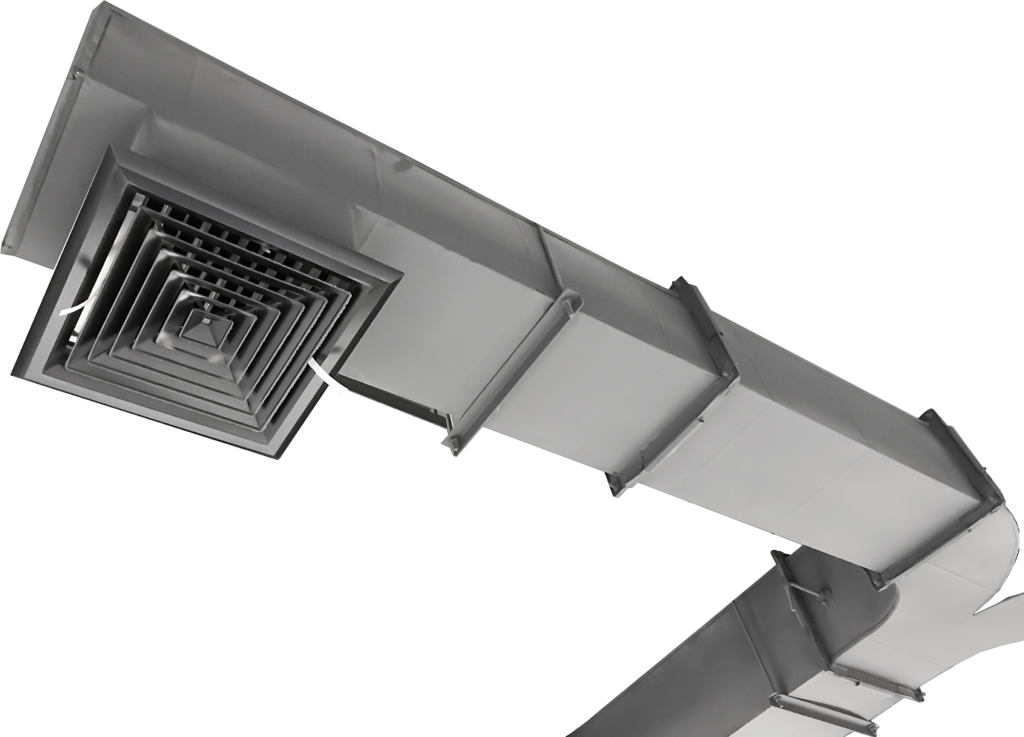
Multi-tenant buildings are rarely a single duct path from fan to grille. More often it is a family tree. A central air handling unit feeds vertical risers, which branch into floors, which tee into zones, which transition into flexible runs poked through tenant improvements that came and went with fashion cycles. Some sections serve shared spaces like lobbies, corridors, elevators, and restrooms. Others are dedicated to suites with oddball demands, like server closets, retail kitchens, or spin studios that push 28 sweaty people through a 45-minute workout at lunch.
That messy topography matters for commercial duct cleaning. Dirt does not distribute evenly. Risers tend to collect heavier debris near turning vanes and on the downstream face of elbows. Ceilings full of flex duct More helpful hints act like lint traps at the outer corrugations. Interior-lined ducts carry fibrous material that, if degraded, cannot be scrubbed like bare sheet metal without damaging the substrate. One tenant may keep surgical suite level cleanliness while the neighbor runs a pottery studio that breathes out silica dust. A mechanical room on the roof can be a clean, bright chapel or a place where filters get changed late if at all. Each choice upstream sets the stage for what a cleaning crew will find.
Why clean, beyond “because the tenants asked”
Let’s be honest: the first driver is usually complaints. But leave that aside. There are practical, measurable reasons to prioritize ducts well before the email storm.
Airflow efficiency is the least glamorous but most reliable return. Dirt on coils raises pressure drop and insulates heat transfer surfaces, which makes fans work harder and chills or warms less per kilowatt of energy used. Dirt in ducts increases friction, especially at branch takeoffs, turning vanes, and old joints that were sealed with hope and a bucket of mastic. Add a millimeter of grime across hundreds of square feet of internal surface and the fan curve shifts in the wrong direction. I have seen post-cleaning static pressure drop by 0.1 to 0.2 inches of water in moderately loaded systems. That does not sound like much until you remember fan power increases roughly with the cube of airflow. A small reduction in static can mean the difference between a VFD cruising at 48 percent and screaming at 60.
Indoor air quality is the second pillar. Ductwork is not the original source of most contaminants, but it plays accomplice. Restaurants at grade vent odors into shafts that, if leaky, share molecules with the retail corridor. Construction dust from one suite gets pulled into ceiling plenums and settles in the first accessible duct it can find. A dirty duct interior reduces the odds that your filters and UV or bipolar ionization gadgets, if you use them, will have a clear shot at the air stream. It also holds moisture at seams and insulation edges, which is exactly where microbial growth wants to audition.
Risk management slips in before you notice it. Mold in duct liners, shed fibers, rodent droppings inside return paths, and grease from a co-tenant’s catering operation that found its way into a non-grease duct all sit at the crossroads of claims and code. If you manage a building in a wildfire region, ash and soot find their way in no matter how often you change filters. If those particles settle in ducts, they will reappear every time the fan kicks on for the next six months. I once watched a lobby’s brand-new white acoustic clouds turn grey at the seams within 10 days of occupancy because the ductwork above them went uncleaned after a nearby fire event. Try explaining that to a tenant who just paid for a high-design build-out.
Finally, tenant retention. Occupants blame the building for a headache faster than they blame their third espresso. They move because the place feels tired. Clean ducts do not make a building new, but they make it feel cared for. That feeling shows up in renewals.
Frequency and standards without the hand waving
How often should you schedule commercial duct cleaning in a multi-tenant building? The frustrating answer is between every 2 and 5 years for most common spaces and return ducts, and anywhere from quarterly to annually for high-particulate tenants like salons, fitness studios, or bakeries that feed directly into shared systems. New construction, even under dust control, often contaminates ducts badly enough to warrant a one-time post-build cleaning.
For guidance that a risk manager will not argue with, lean on NADCA resources for assessment and cleaning methodology and SMACNA for duct construction and sealing practices. ASHRAE offers filtration and ventilation targets that affect how dirty your ducts will get in the first place. The recipe is not a single number. Inspection at least annually, cleaning on condition, and validation with photos and pressure data is defensible.
The best metric I have used to time cleaning is filter differential pressure and coil delta-T trend data, correlated with complaints. A building with constant volume common area air handlers that see their filter delta-P creep up faster than usual right after tenant turnover almost always has return duct contamination. You will smell it, but better to measure it.
Where the dirt hides
Walk the system like a river. Gravity and turbulence tell you where to look. The negative side of VAV boxes collects lint at the screen. The first elbow downstream of a return grille is a magnet for hair and paper fibers. The back side of access panels, if they exist at all, often show a petri dish of things that grew during a humid stretch when the condensate drain was half plugged.
If someone tells you the ducts are clean because they looked inside one grille with a flashlight, consider it a free comedy show. Use inspection ports and camera systems. Use your fingers. What you cannot see is usually what needs attention. I have found lost construction tools, pigeon feathers, and once an entire, neatly folded T-shirt inside a return drop. The system had been howling for months like a distant train. The T-shirt story is funny. The more common story is a deteriorated internal liner where the glue let go and chunks of black fuzz land in office managers’ plants.
The day the cleaning crew arrives
The best commercial duct cleaning in occupied buildings is choreography. Move people, secure access, protect finishes, coordinate with security, and keep noise and dust under control even as the point of the work is to create controlled dust and then remove it.
Containment comes first. Technicians seal off each register and return with film and tape that will not peel your expensive paint. Negative air machines with HEPA filters pull from the duct interior so loosened debris heads to a filter, not a conference room. Agitation tools, from whips to rotating brushes, do the heavy lifting. Flexible duct sections need a light touch to avoid tearing. Internal lined duct sections call for soft-bristle brushing and, if warranted, a coating to re-seal fibers after cleaning.
Cleaning shared risers is often night work. People sleep above retail tenants who need air during business hours. Alarms get muted and fire watch implemented under a formal impairment plan. Freight elevators become the highway for equipment that does not fit on the passenger cars, and security tags everyone because the last thing you need is a vendor with a drill walking into a law office without an escort.
Noise is not the problem that tenants imagine. The agitation sounds like a distant vacuum cleaner. Odor is a bigger deal. Loosening years of dust releases a musty note even with containment. Let the HVAC run after cleaning to flush the air, and schedule a morning of fresh air purge if your system allows outdoor air control. This is where tenants notice the difference, especially those on the leeward side of the building who have spent two summers with stale rooms.
Methods that work and the ones that look great in a brochure
There is a reason the industry sticks to physical agitation plus negative pressure collection. It is reliable and leaves behind evidence in a vacuum drum. Exotic chemicals and magic fogs might make a space smell like a janitor’s closet for a day, but they do not remove grit. Biocides have a place in mold remediation when applied under a licensed protocol, not as a routine tonic. Spraying inside ducts to mask odors is like painting right over a leak. It looks acceptable until the stain comes back in a stranger shape.
Robotic camera systems with brushes and sprayers attached have their role in large rectangular trunks that run above finished ceilings with poor access. They are not a replacement for human judgment. If the robot shows a loose liner or a failed seam, someone still needs to open the duct, make a mechanical repair, and seal it to pressure class with the right mastic or tape rated for static and temperature. Cleaning does not fix building envelope leakage, duct leakage, or control problems that cause condensation. It makes those problems visible and harder to ignore.
The strange cousins: grease, mold, and disasters
Kitchen exhaust is not duct cleaning in the general sense, it is fire protection. Grease systems live under a different set of codes and should be serviced by contractors who specialize in hoods and shafts. Do not let a general duct cleaner treat kitchen exhaust like a dusty supply duct. Insurance adjusters have a keen eye for that distinction after a fire event.
Mold is similar. If you find visible growth inside duct liners or on insulation, stop and bring in an industrial hygienist to define a scope. Cleaners can remove surface growth, but the underlying cause is almost always condensation or wet insulation, which demands repair or replacement. Coating over a saturated, damaged liner creates a sandwich of future problems.
Disaster cleanup is its own chapter. After a wildfire smoke event, flood, or large-scale tenant fit-out that went wrong, ducts become the long-term memory of the building. In those cases, assume a broad scope that includes coils, fan housings, return plenums, and even the fan walls of the AHU. If the outside air intake sat in a smoke plume for a week, your mixing box holds the ghost of that week until you clean it.
Money, timing, and the math you can defend
Budgeting for commercial duct cleaning feels like whack-a-mole until you turn it into a scheduled program. Pricing varies by region, access, and scale. On mid-rise office-retail buildings, I have seen costs run from 30 to 80 cents per square foot of served area when bundled with coil cleaning and AHU service, with small jobs or tricky access climbing to the upper end. Some contractors quote per register or per linear foot of duct, which helps in tenant spaces but obscures the common area costs that hide in risers and return plenums.
Energy savings are real but rarely monumental in the first month. The payback shows up as reduced fan speed setpoints, steadier temperature control, and even longer filter life because you are not redistributing old debris into new media. If a building spends 200,000 dollars a year on electricity and 20 percent of that is HVAC fan and cooling energy, shaving 5 to 8 percent off that slice buys you a meaningful fraction of the cleaning cost over the next year or two, especially when coordinated with coil cleaning and a filter upgrade.
The soft savings are spikier but easier to feel. A law firm renewing a lease for five years because the air no longer smells like the pilates studio downstairs is a return you will not see on a spreadsheet.
Responsibility in a building full of boundaries
Who pays to clean a duct that serves a floor with five tenants and a corridor under landlord control? The lease probably holds your answer, buried three pages past operating expense definitions. Generally, base building ducts, risers, and air handling units fall under landlord scope. Tenant branches downstream of the VAV box, especially those added during build-out, often sit with the tenant. Gray zones proliferate where returns tie into common plenums or where a tenant’s after-hours system tees into landlord ducts.
Clarity ahead of time prevents sour conversations later. Include duct cleanliness standards in tenant improvement manuals and require post-construction verification with photos or test reports. Ask for documentation of any antimicrobial coatings used and their MSDS sheets. Require that access panels added for cleaning meet the same static pressure and leakage criteria as the duct they interrupt. A crude screw-on panel that whistles every time the VFD ramps is an expensive shortcut.
Picking a contractor who knows more than how to sell a vacuum
A good vendor saves you money by telling you what not to clean, or how to stage the project to avoid recontamination. Experience in multi-tenant buildings matters more than a truck full of gear. You want someone who has negotiated with a jewelry store about alarm sensors, with a call center about night noise, and with a fitness studio about access during peak times.
Here is a compact shortlist of things to ask without turning your RFP into a novel:
- Certifications that matter for your scope, like NADCA ASCS for supervisors, and proof of insurance that speaks to ceiling work in occupied spaces. A plan for containment, including how they seal registers, what filtration their negative air machines use, and how they avoid tracking debris through corridors. Specifics on access, from the number and size of panels they will install to how they will restore duct sealing to pressure class and verify it. How they will document before and after conditions with photos, pressure readings, and waste weight or volume, and who on site signs off. A realistic schedule that includes night or weekend work, coordination with fire alarm impairment, and a tenant notification template that you can actually send.
Preparation that prevents messes, delays, and angry emails
A building that is ready for cleaning gets clean faster and with fewer surprises. Property teams can clear obstacles that no contractor can solve on the fly.
- Confirm after-hours access, keys, elevator reservations, and security sign-ins, and give the contractor a single point of contact who answers the phone. Notify tenants with specifics, including dates, expected noise levels, and any need to move furniture or clear access to ceiling tiles. Arrange HVAC support to run fans for purge cycles after cleaning and to disable and re-enable smoke detectors or provide fire watch per your impairment plan. Stage a clean route for debris barrels to the loading dock, and reserve dock space so drums do not sit in the sun while someone hunts for a signature. Verify that ceiling access is actually possible where plans say it is. A decorative wood ceiling with concealed fasteners needs different tools and more time.
Data, validation, and the story you tell after
Do not let the job end with a thumbs-up and a handshake. You need proof because something will go wrong later, and someone will blame the last person who touched the ducts. Ask for a simple package: before and after photos from key locations labeled with dates and coordinates, a list of access panels added with locations and sizes, measurements of filter delta-P before and after service, and any coil pressure drop and temperature data if coils were cleaned in the same scope. If the contractor weighed the debris removed, great, but I have learned not to make buckets of dust into a KPI. Static pressure trends and complaint logs that flatten out are the wins you take to your asset manager.
The clean ducts should not be a one-off victory. Fold inspection points into your preventive maintenance. Keep a short list of spots that get dirty fast and look at them every quarter. If you run a CMMS, create a recurring work order to inspect and photo those points. The idea is to catch the seasonality of your building. Winter with sealed windows and heavy indoor loads is a different beast than a spring full of open doors at street level.
Edge cases you will wish you read about earlier
Not all multi-tenant buildings behave. Medical and lab spaces need stricter isolation. Negative pressure rooms should stay negative during cleaning. Cross-contamination is not a punchline when a dental office downstairs shares return paths with a co-working space upstairs. Data centers living in office buildings want zero dust because fans in servers do not forgive grit. Cannabis grow operations in mixed-use buildings release sticky, resinous particles that clog filters and coat ducts, turning odor control into a life mission. If you have any of these tenants on your roster, bring them into the planning conversation early and consider separate cleaning windows or additional filtration.
Wildfire season is now a planning line item in most of the western half of the continent. Buildings that ride out a month of elevated AQI cannot pretend the filter rack caught it all. If you manage properties in those regions, plan for a post-season inspection and likely cleaning of returns and first-branch sections even if you cleaned last year. Soot behaves like the world’s most persistent glitter. It lingers.
A quick story from a building that would not stop smelling like lunch
A 14-story mixed-use tower I worked on had the classic stack: retail at grade, five floors of co-working, then apartments. The second floor complained of garlic every afternoon at 3:15. Filters were fine. The co-working kitchen had a type 2 hood that underperformed but met code on paper. We found the culprit in a return riser that leaked at a slip joint right where the kitchen’s exhaust ran nearby in a chase. The negative pressure in the return pulled a thread of odor across the gap, and the old, dirty liner held it like a sponge. Cleaning alone improved it for a week. The fix was to open the riser, replace the liner section, properly seal the joint to a tested pressure class, and then clean both upstream and downstream runs with containment. The co-working site manager later said the afternoons no longer smelled like a food truck festival. The leasing agent stopped handing out candles.
Where commercial duct cleaning fits in the bigger maintenance picture
Duct cleaning is not a silver bullet, and it should not be treated like one. It shares a timeline with coil cleaning, filter upgrades, outside air damper calibration, and even envelope sealing. If you pull the system back to design intent, each of those items adds leverage to the others. Clean coils make your newly cleaned ducts deliver better air. Calibrated dampers ensure you are not pushing stale return air through a spotless highway. Upgraded filters trap more, so ducts stay cleaner longer. A tighter envelope reduces unfiltered infiltration that loads the system with particles your filters and ducts would otherwise wrestle with.
The least glamorous part is discipline. Schedule inspections. Tie scope to data. Treat ducts as part of a system, not a separate universe. When the next round of complaints starts, the conversation changes from blame to plan. You can tell a credible story about what you have done, what you found, and what you will adjust next.
The short of it, for a long building
Multi-tenant properties are social experiments stacked on concrete. Air is how they negotiate. Commercial duct cleaning is a tool for making that negotiation fair. Clean paths reduce friction, literally and figuratively. Tenants argue less with the building and more with their own coffee choices. And you, with your calendar full of move-ins and fire alarm tests, get to remove one class of mystery from the day.
Schedule inspections, work with vendors who respect the chaos of occupancy, and keep your eye on the parts of the system that dirty themselves when you are not looking. The next time you walk that 8:45 a.m. Hallway, you might still smell garlic, but it will be coming from a bagel someone brought from home, not the duct above their head.